
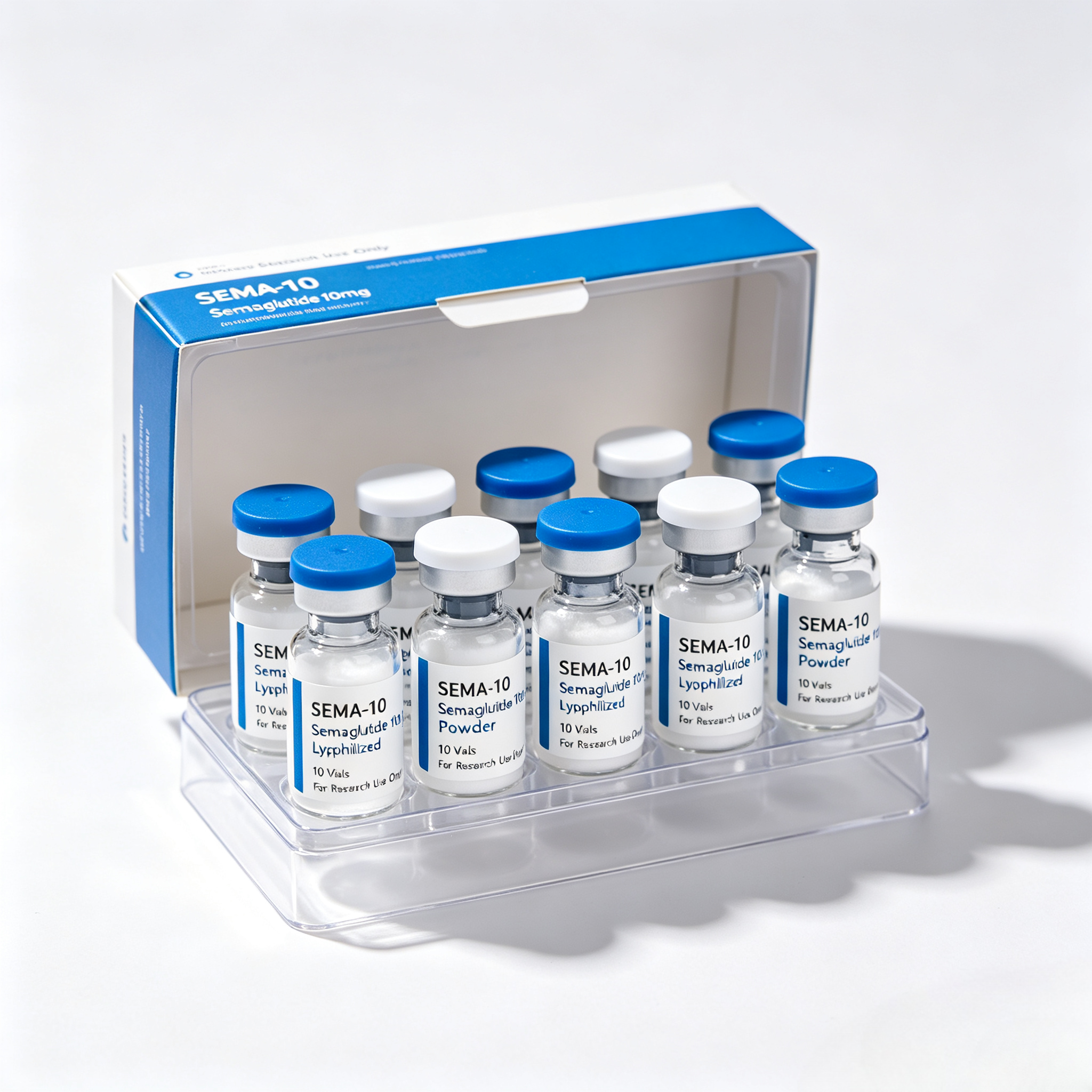
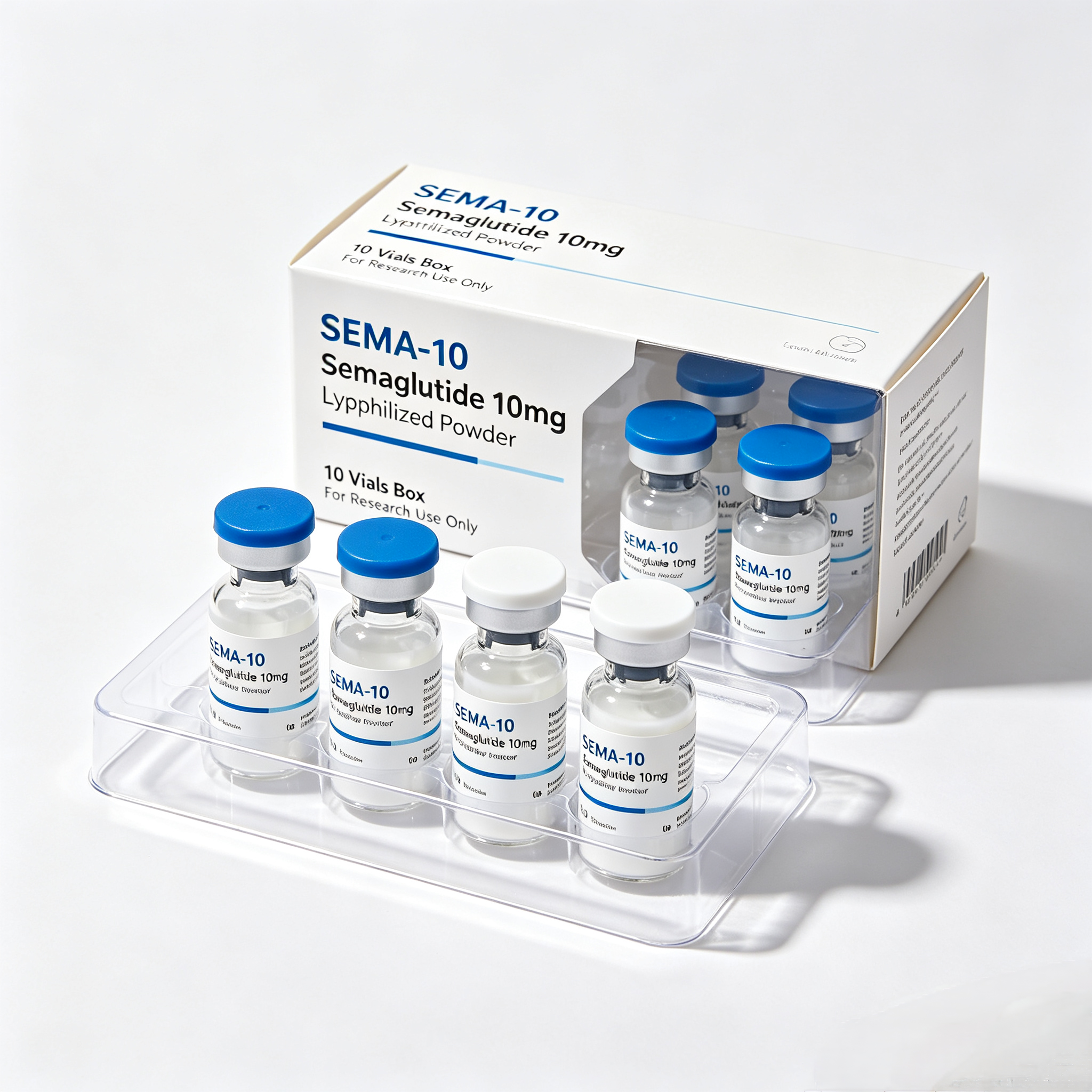
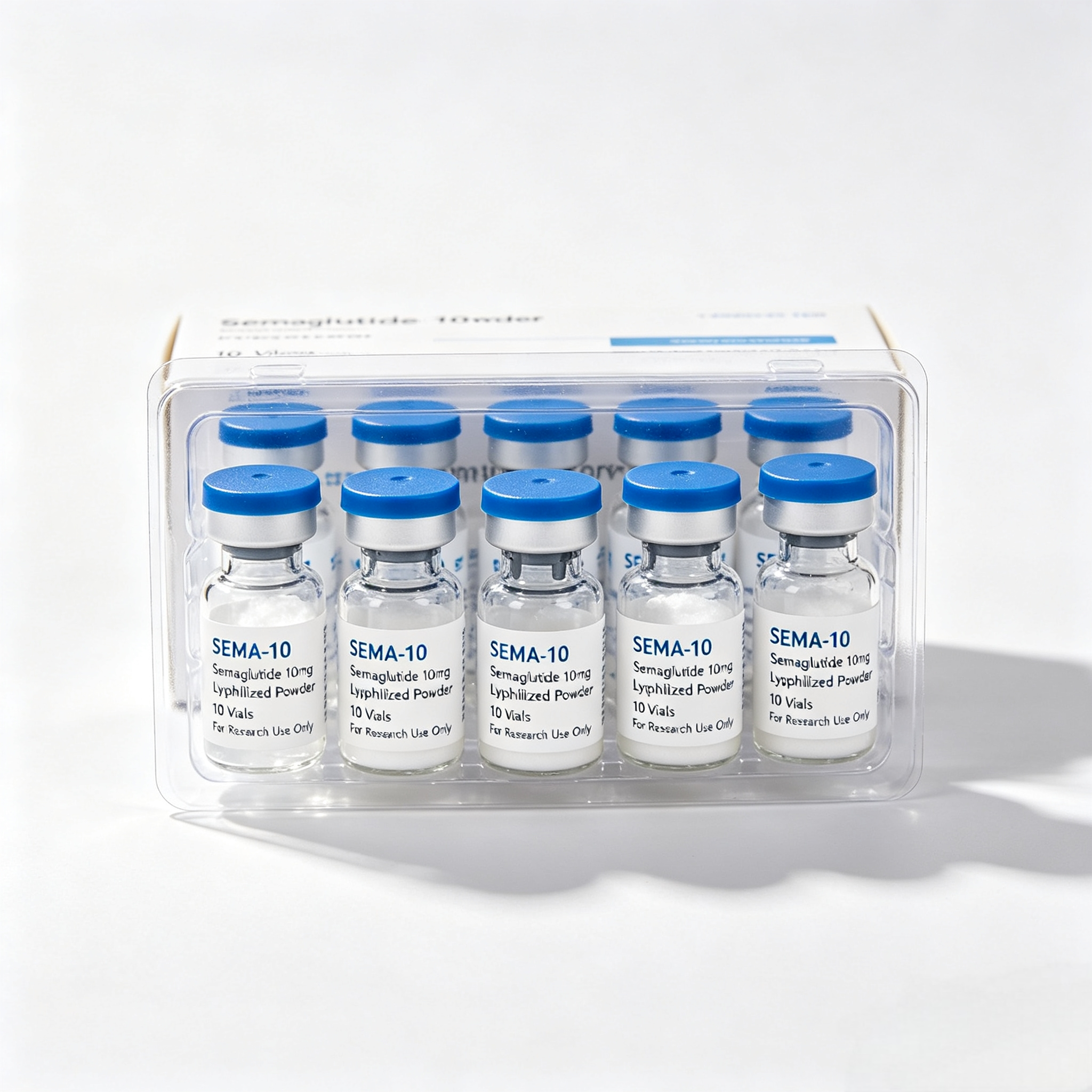
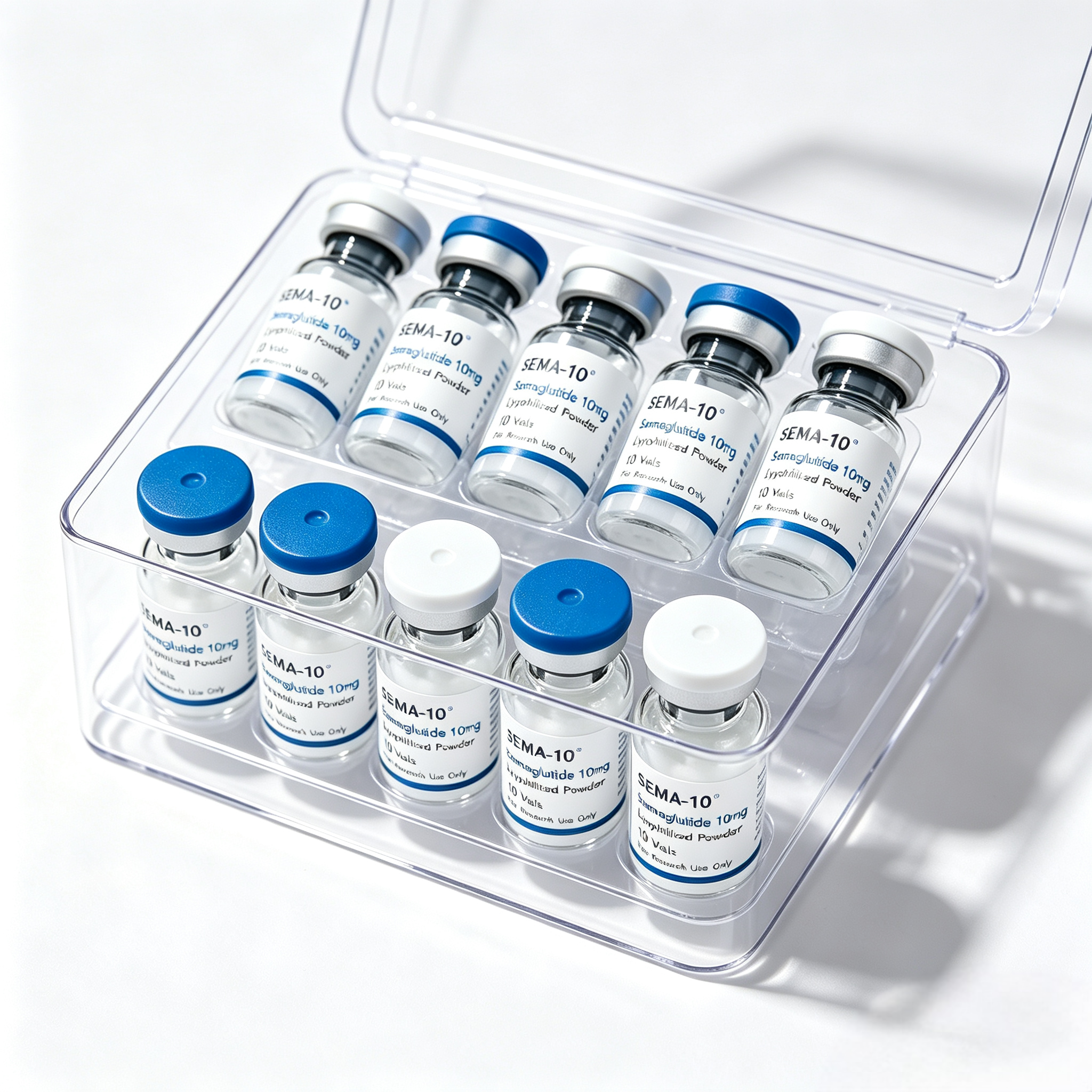
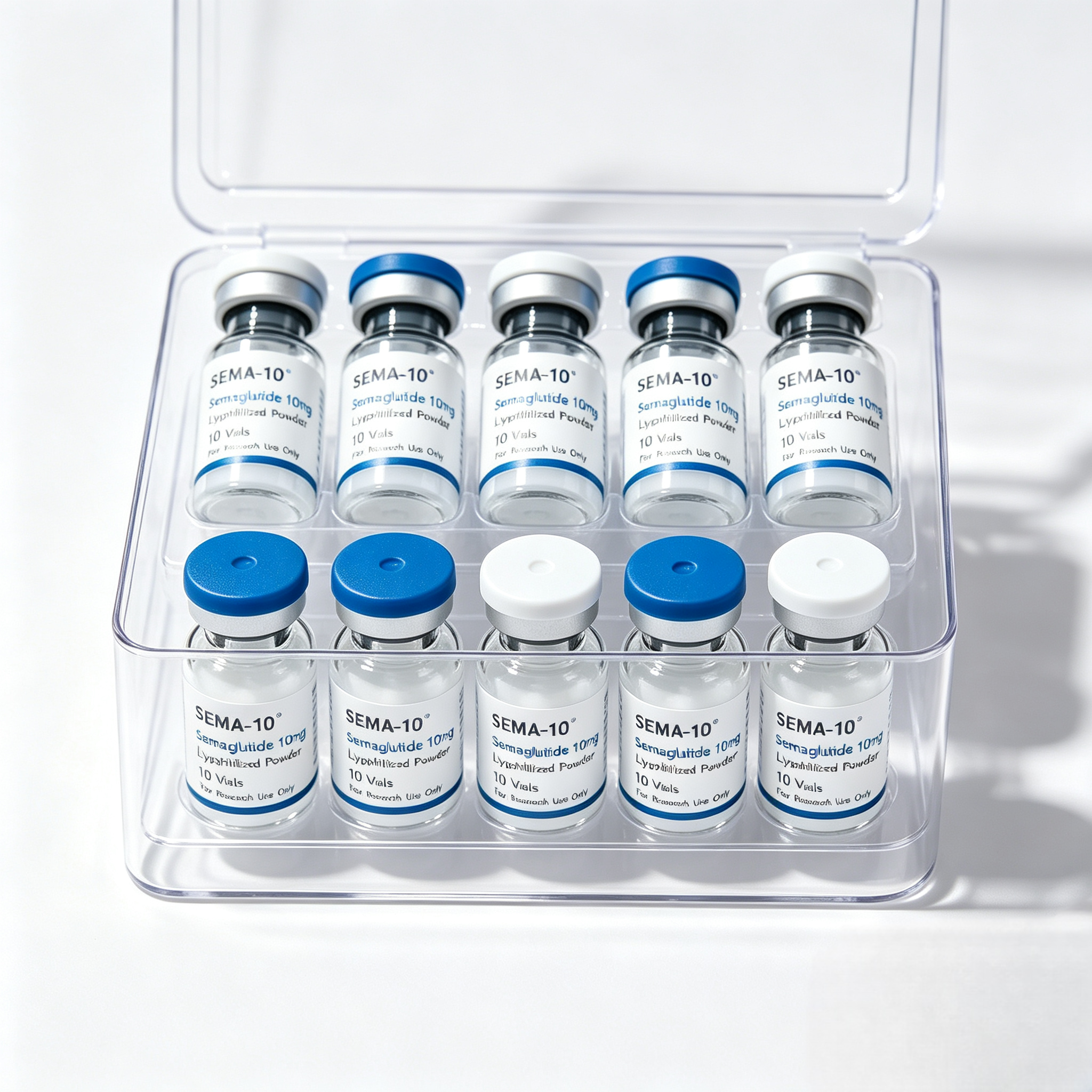
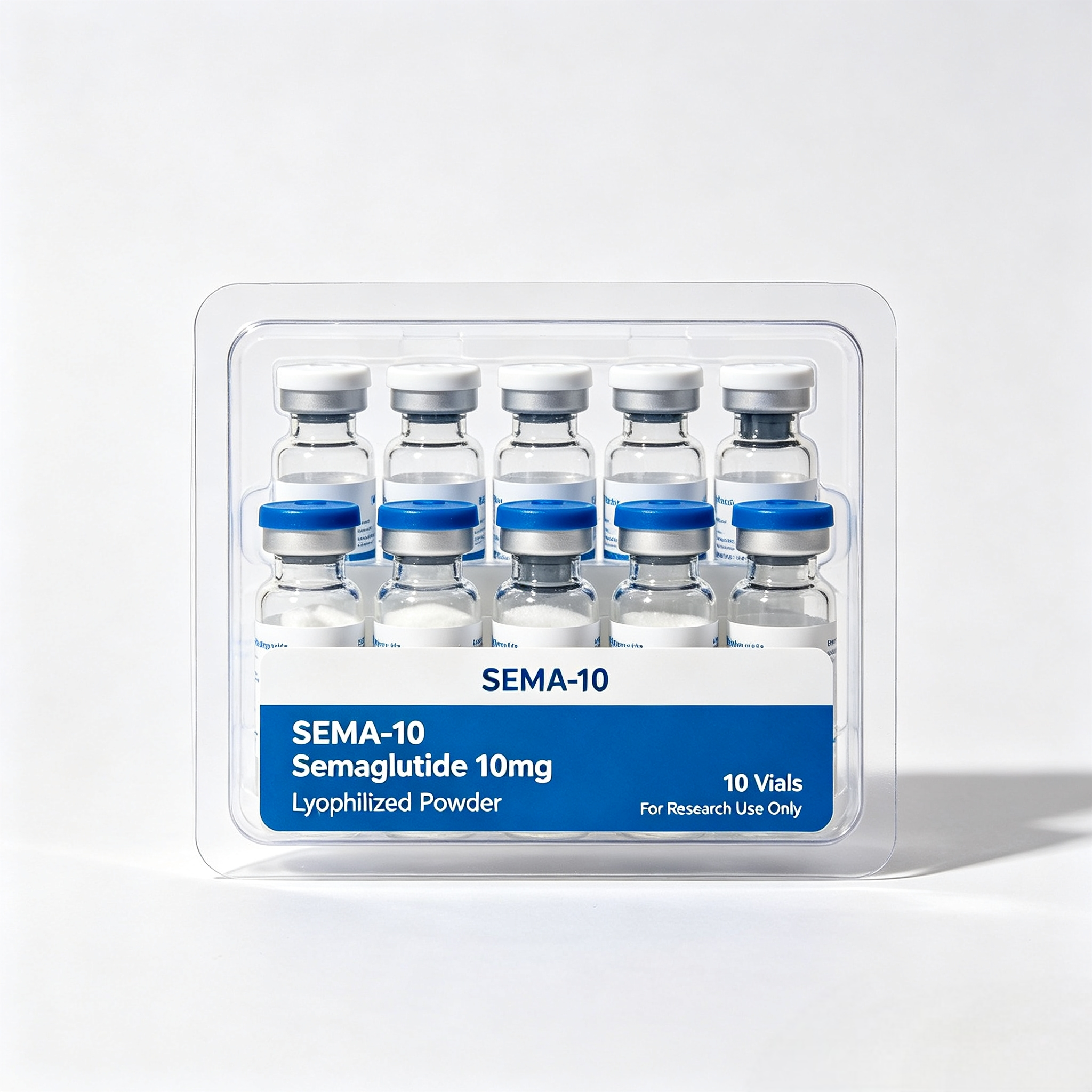
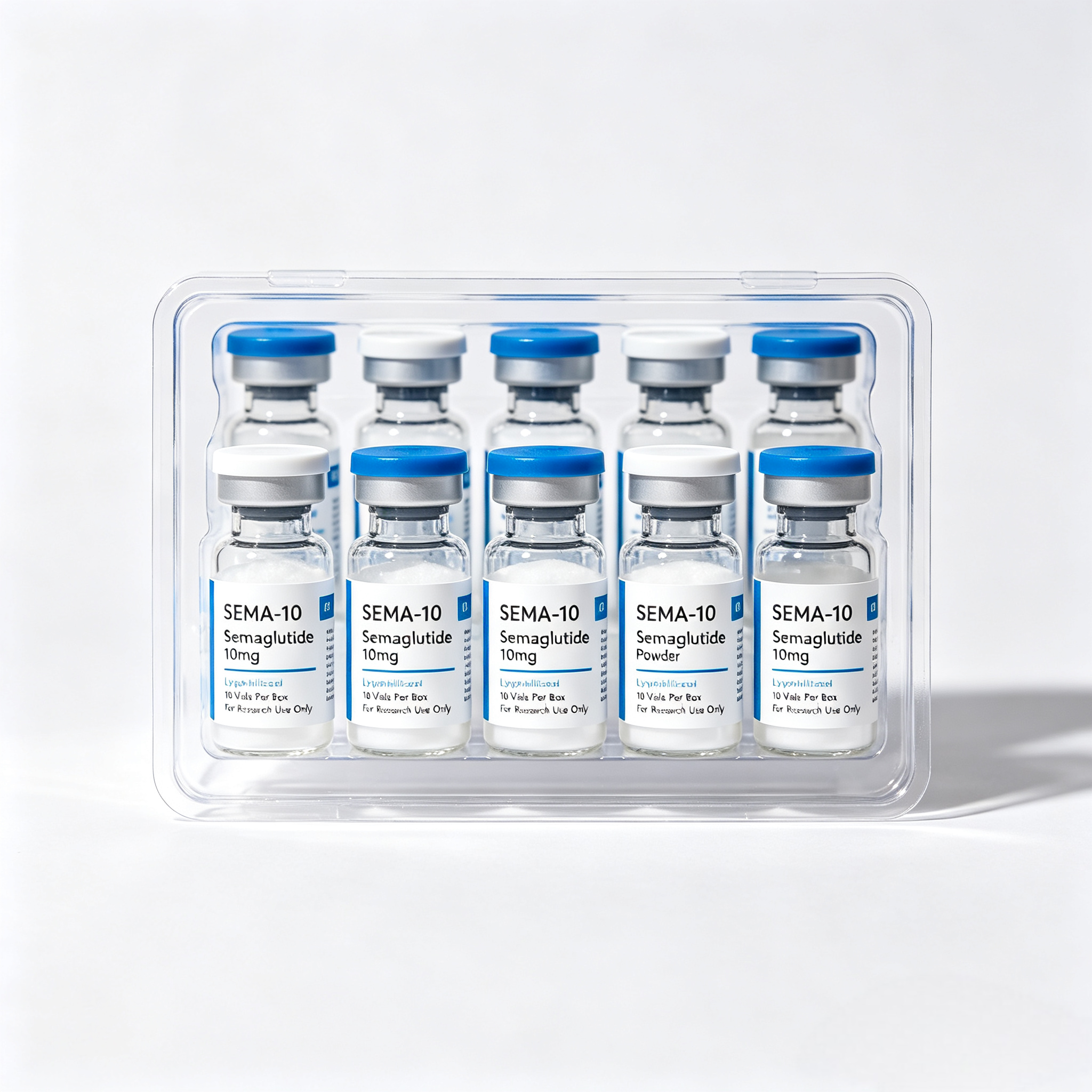


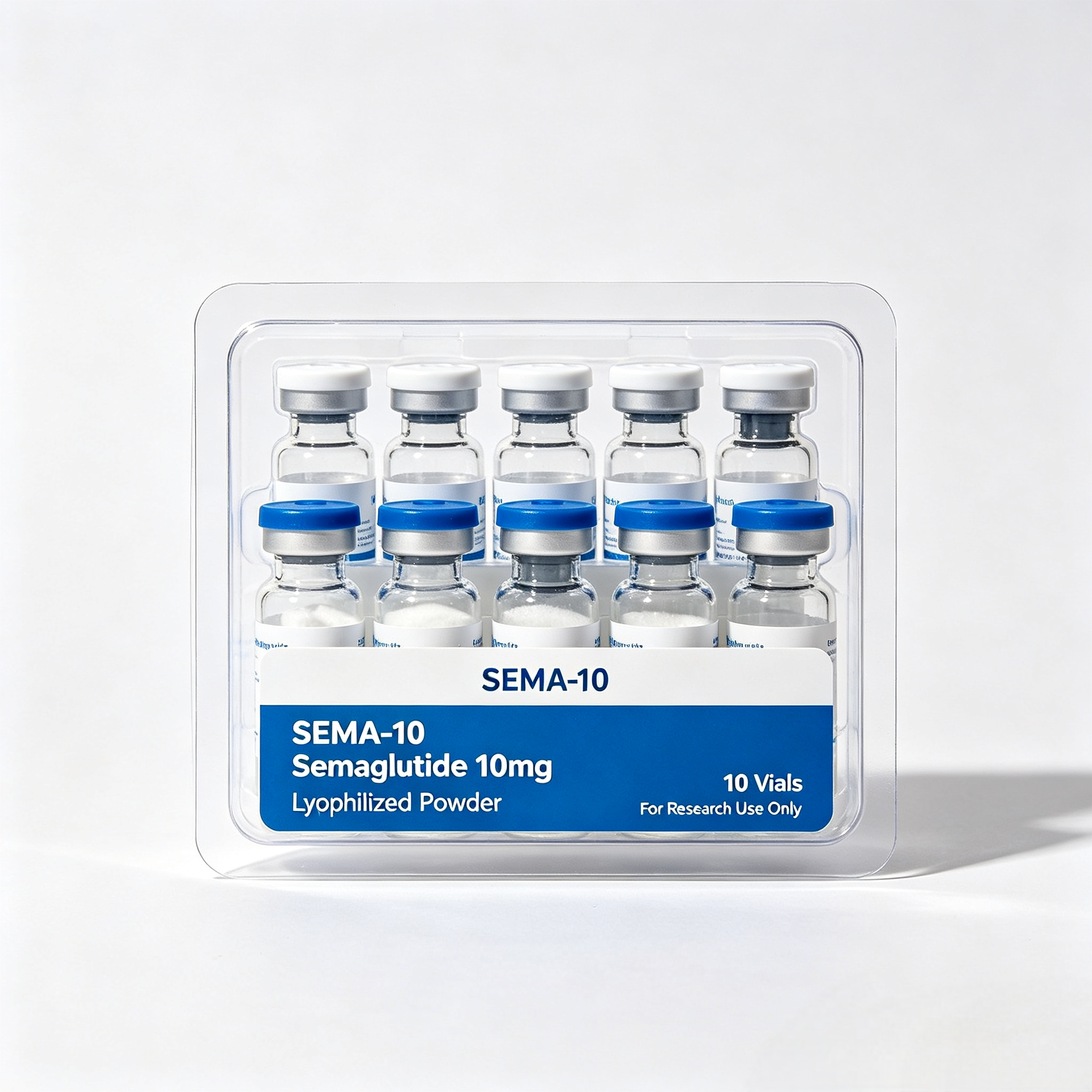

Product Name: Semaglutide
Also known as: Rybelsus®, Ozempic®, Wegovy®, NN9535, OG217SC
CAS No. : 910463-68-2
Molecular Formula: C₁₈₇H₂₉₁N₄₅O₅₉ Molecular Weight: 4113.58
Product Overview
Semaglutide is a synthetic glucagon-like peptide-1 (GLP-1) analog and GLP-1 receptor agonist. It shares 94% sequence homology with human natural GLP-1. With an approximate half-life of one week, it is suitable for once-weekly subcutaneous administration. Available in both injectable and oral tablet formulations.
Mechanism of Action
Semaglutide selectively binds to and activates GLP-1 receptors, mimicking the physiological functions of the natural GLP-1 hormone. Its primary actions include:
-
Stimulating insulin secretion in a glucose-dependent manner
-
Suppressing glucagon secretion to reduce hepatic glucose output
-
Delaying gastric emptying to prolong postprandial satiety
-
Reducing appetite by acting on brain regions that regulate hunger
Indications
Indications vary by country and regulatory approval:
For Type 2 Diabetes (Ozempic®):
-
As an adjunct to diet and exercise to improve glycemic control in adults with type 2 diabetes mellitus
-
To reduce the risk of major adverse cardiovascular events in adults with type 2 diabetes and established cardiovascular disease
For Weight Management (Wegovy®):
-
Adults with initial BMI ≥30 kg/m² (obesity)
-
Adults with initial BMI ≥27 kg/m² and at least one weight-related comorbidity (e.g., hypertension, type 2 diabetes, dyslipidemia, obstructive sleep apnea)
Clinical Efficacy
-
Weight Loss: The STEP clinical trial program demonstrated significant weight reduction with semaglutide 2.4 mg once weekly. Oral tablet achieved an average weight loss of 16.6%
-
Long-term Maintenance: In the 208-week SELECT trial, the semaglutide group showed a mean weight reduction of 10.2%
-
Cardiovascular Benefits: Reduces the risk of major adverse cardiovascular events in adults with type 2 diabetes
Dosage and Administration
Injection (Subcutaneous) :
-
Starting dose: 0.25 mg once weekly for 4 weeks
-
Dose escalation: Increase every 4 weeks
-
Maintenance dose for diabetes: 0.5 mg, 1 mg, or 2 mg once weekly
-
Maintenance dose for weight loss: 1.7 mg or 2.4 mg once weekly
-
Injection sites: Abdomen, thigh, or upper arm
Oral Tablets:
-
Starting dose: 3 mg once daily (weight loss version: 1.5 mg once daily)
-
Maintenance dose: 7 mg or 14 mg once daily
Dosage should be determined by a healthcare professional. Do not adjust without medical supervision.
Common Side Effects
Very Common (>10%) :
-
Nausea, diarrhea, vomiting
Common (1%-10%) :
-
Abdominal pain, constipation
Precautions:
-
Gastrointestinal symptoms are most common during initial treatment and usually diminish over time
-
Contraindicated in patients with personal or family history of medullary thyroid carcinoma (MTC)
-
Contraindicated in patients with acute pancreatitis
-
Contraindicated during pregnancy and lactation
Storage Conditions
Injection (unopened) : Store at 2°C-8°C (refrigerated). Do not freeze
Injection (after first use) : Store below 30°C or refrigerated at 2°C-8°C for up to 6 weeks
Oral tablets: Store at 20°C-25°C